Riga is experiencing a technological acceleration that is bringing it back to the center of the Baltic scene. We flew to the Latvian capital for TechChill, the leading startup event in the Baltics, to understand what is happening in perhaps Europe’s most underestimated tech hub: from AI-powered interceptor drones to startups testing drugs on artificial organs and bioprinting with spider silk.
On the flight from Italy to Riga, AirBaltic, Latvia’s national airline, offers Starlink onboard—fast, free Wi-Fi for everyone from takeoff to landing. An unexpected convenience that says something about the country’s digital mindset. Riga is hosting TechChill: over 2,300 participants, according to organizers, 310 startups, 250 investors—one of the largest events in the Baltic tech scene, now in its fifteenth edition.
.jpg)
For the first time, it features a visit from the European Commissioner for Startups and Innovation, Ekaterina Zaharieva—the first Commissioner to have “startup” in her title—another sign of Riga’s ambition to return to the center of the Baltics.
TechChill is led by Annija Mežgaile, who has been guiding the event since its early days. This year also marks the first Baltic Startup Policy Forum, the first structured attempt to coordinate startup policies.
“Our role as a city is to support the startup ecosystem as best as possible, not to fund individual companies,”
says Fredis Bikovs, director of RITA (Riga Investment and Tourism Agency), the municipal body that combines tourism and investment.
We meet him on the eve of TechChill’s opening in his office in central Riga, to understand why this city—rarely the first destination that comes to mind for building the next big startup—deserves attention.
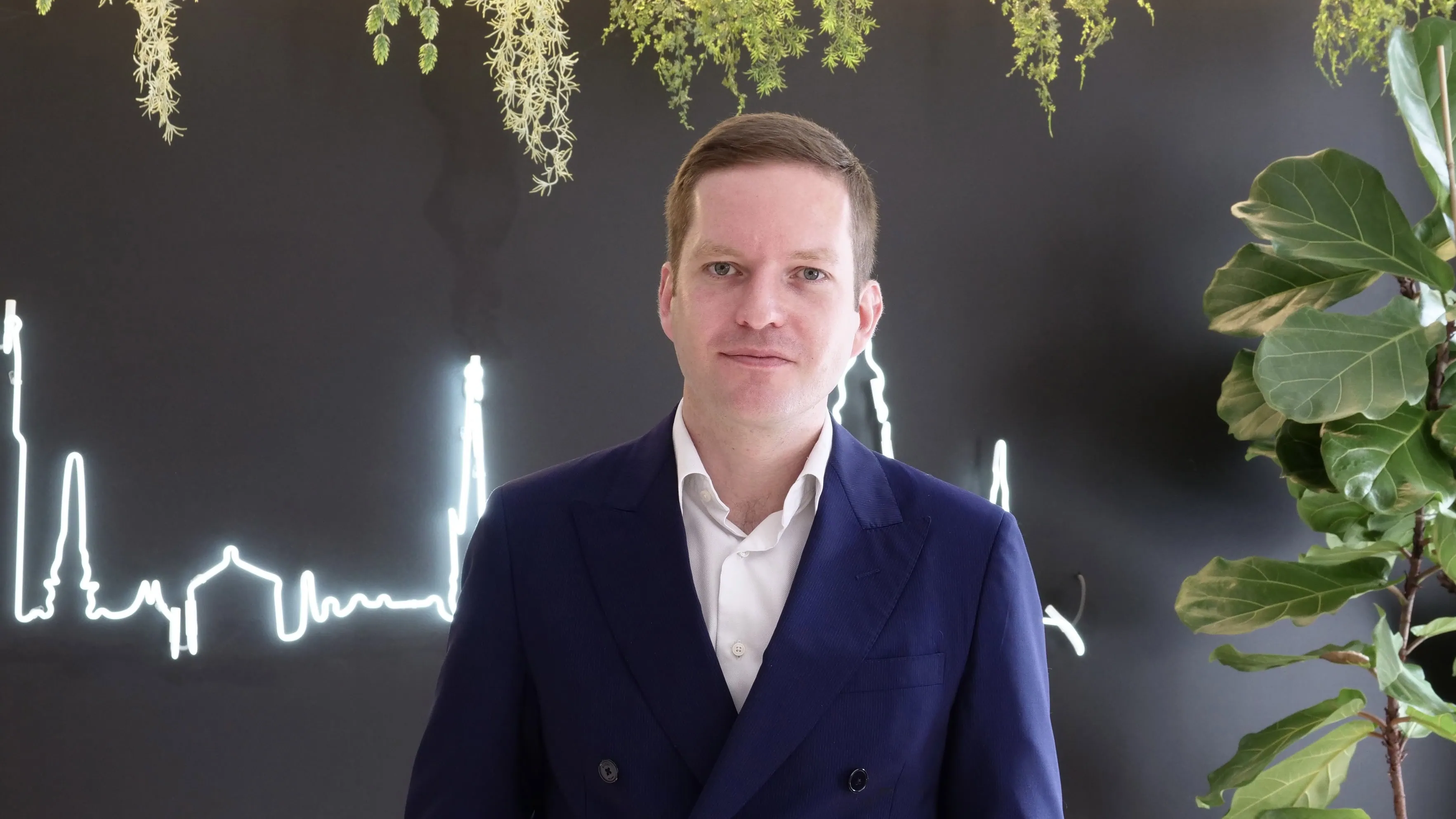
THE STARTUP HOUSE
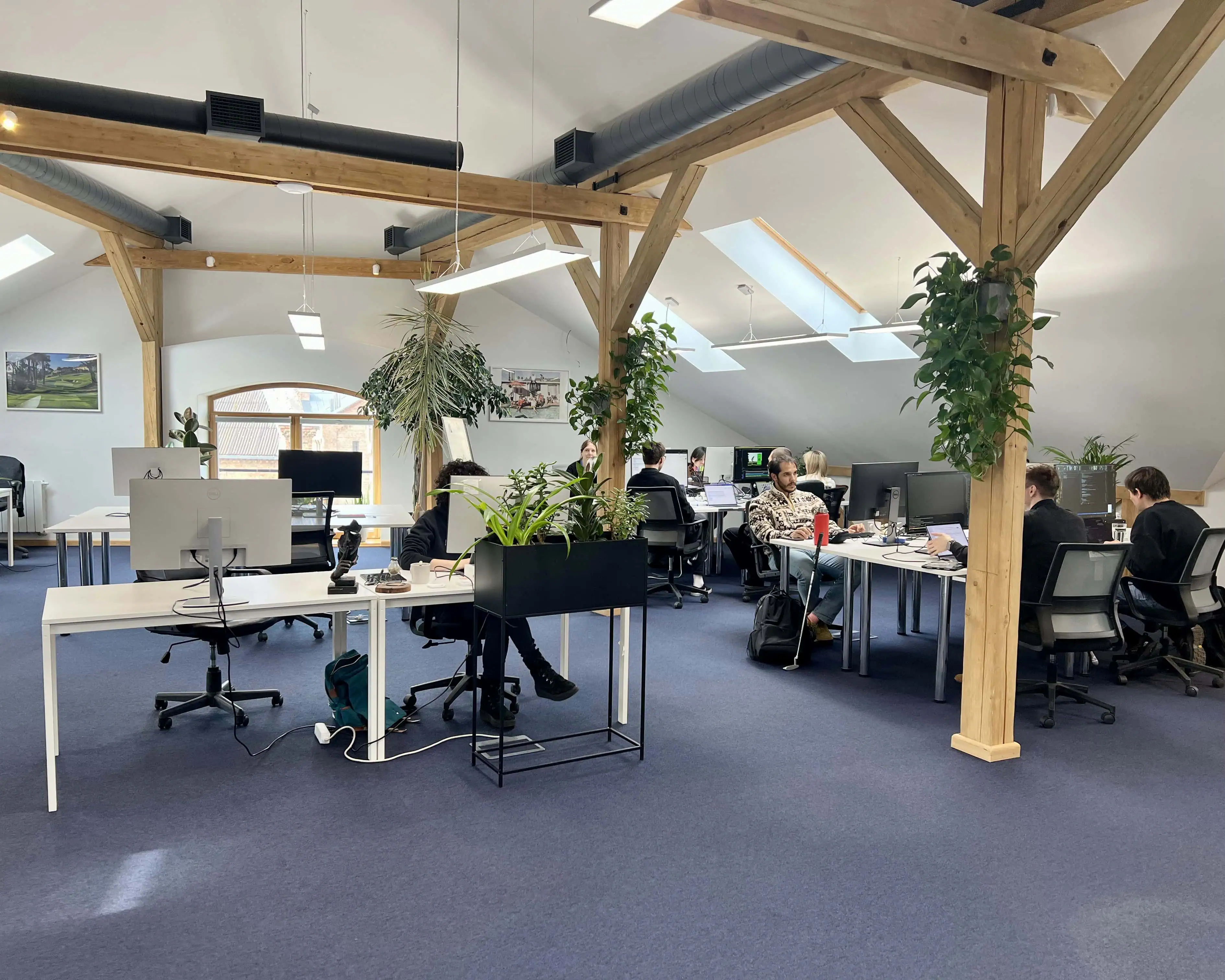
The first stop of our journey is Startup House, one of the most interesting examples of Latvia’s ecosystem. It is co-funded by RITA with a three-year program worth €150,000 per year: about 80% subsidizes rent for resident startups, while 20% covers management costs. The structure reached full capacity in six months: around 65 startups hosted, over 320 people daily, even though many work as digital nomads or attend events worldwide. In the past year, seven resident startups raised a total of €9 million in funding, out of a national total of around €64 million. The hub also runs a pre-acceleration program funded by the Ministry of Economics with more than 60 participants per year.
The infrastructure is there. The question now is whether capital flow can compete with more popular European capitals like Berlin or nearby Tallinn. While Estonia continues to grow rapidly, Latvia is progressing more slowly—but the economy seems to be on the right track, driven by emerging technologies.
The most mature company within Startup House is HackMotion: millions of dollars in annual revenue, 70,000 sensors sold in over 17 countries. It offers a biofeedback system for golf that measures wrist angle during swings with precision that—according to them—no smartwatch can match.
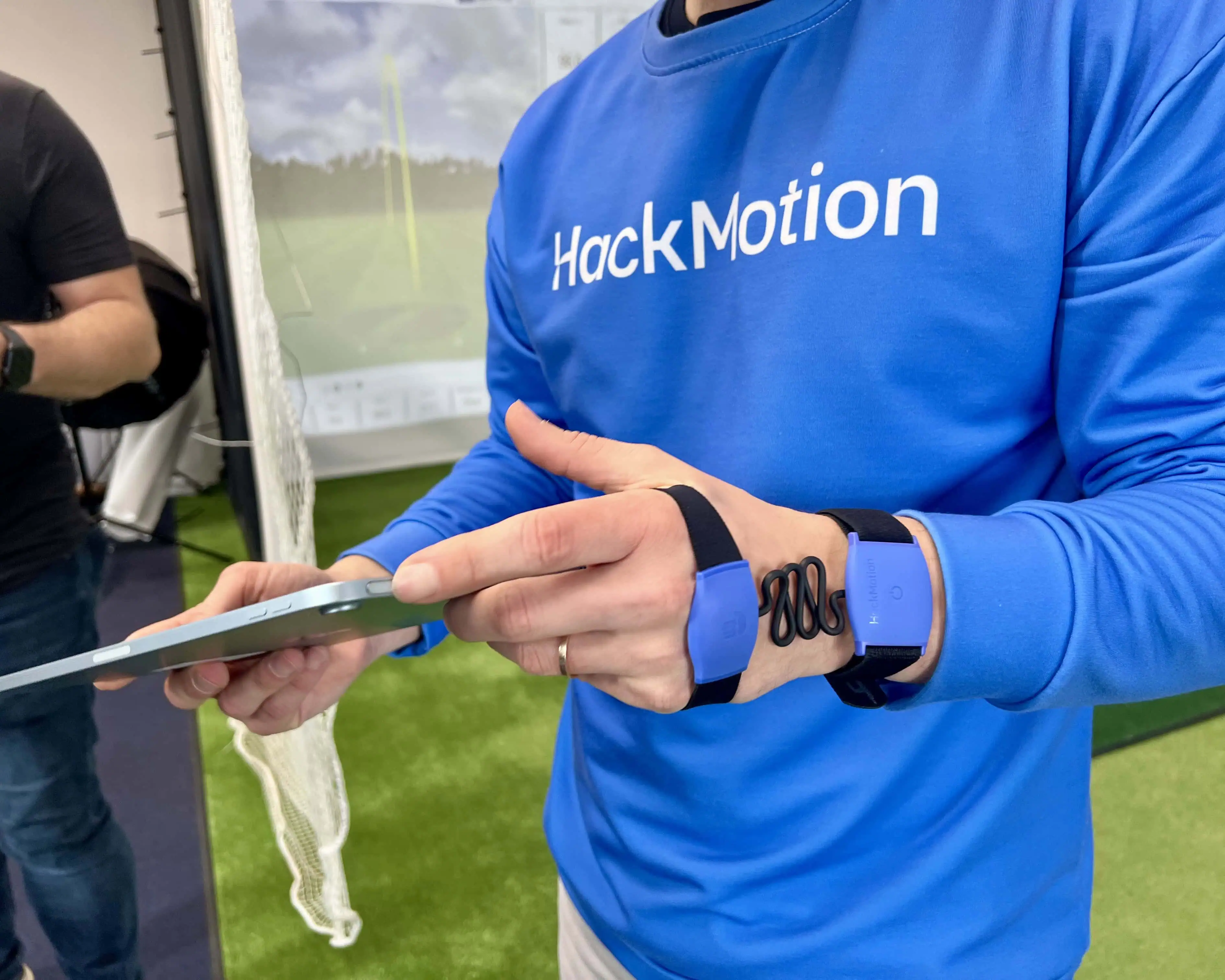 All of this without external investment: the company is fully bootstrapped, funded by direct sales. It grew within Startup House, benefiting from subsidized rent and publicly supported pre-acceleration programs that lower entry barriers without direct funding.
FROM DEFENCE TECH TO BIOTECH
If there is one macro-trend confirmed by TechChill 2026, it is the rise of defence tech. Origin Robotics, a Latvian startup founded after the invasion of Ukraine, is one of the most striking stories.
“There is huge interest here in the defense industry,”
“We are in contact with many companies looking at Riga as a place to produce drones and defense technologies.”
says Bikovs.
One side effect of the war in Ukraine: the Baltics, due to geographic proximity and strategic urgency, have become a hub for defence tech.
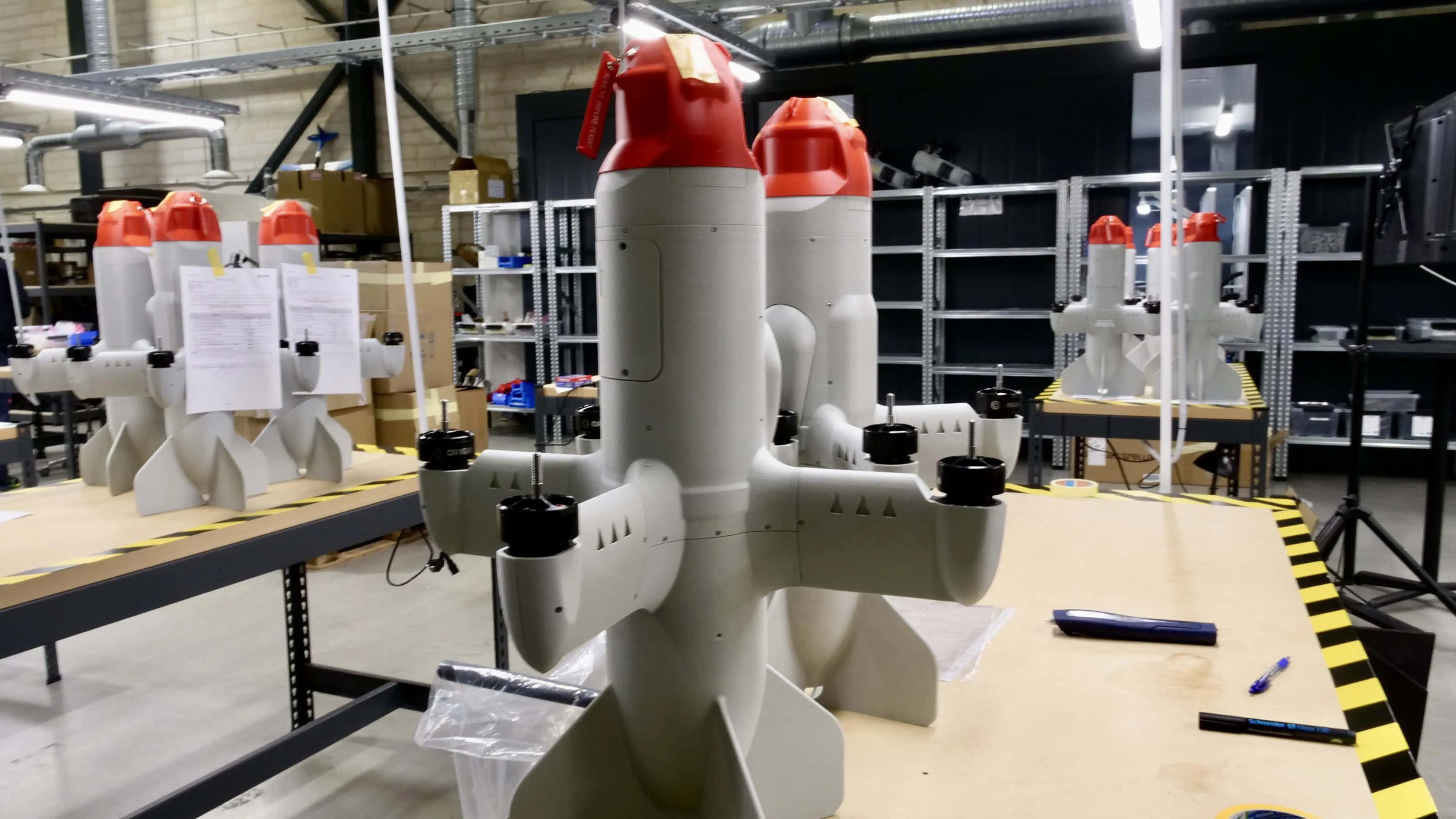
We visited Origin Robotics’ headquarters. There, they showed us the assembly line of one of the autonomous interceptor drones produced in Europe: the BLAZE. Portable, suitcase-sized, equipped with an 800-gram fragmentation warhead and guided by AI using computer vision.
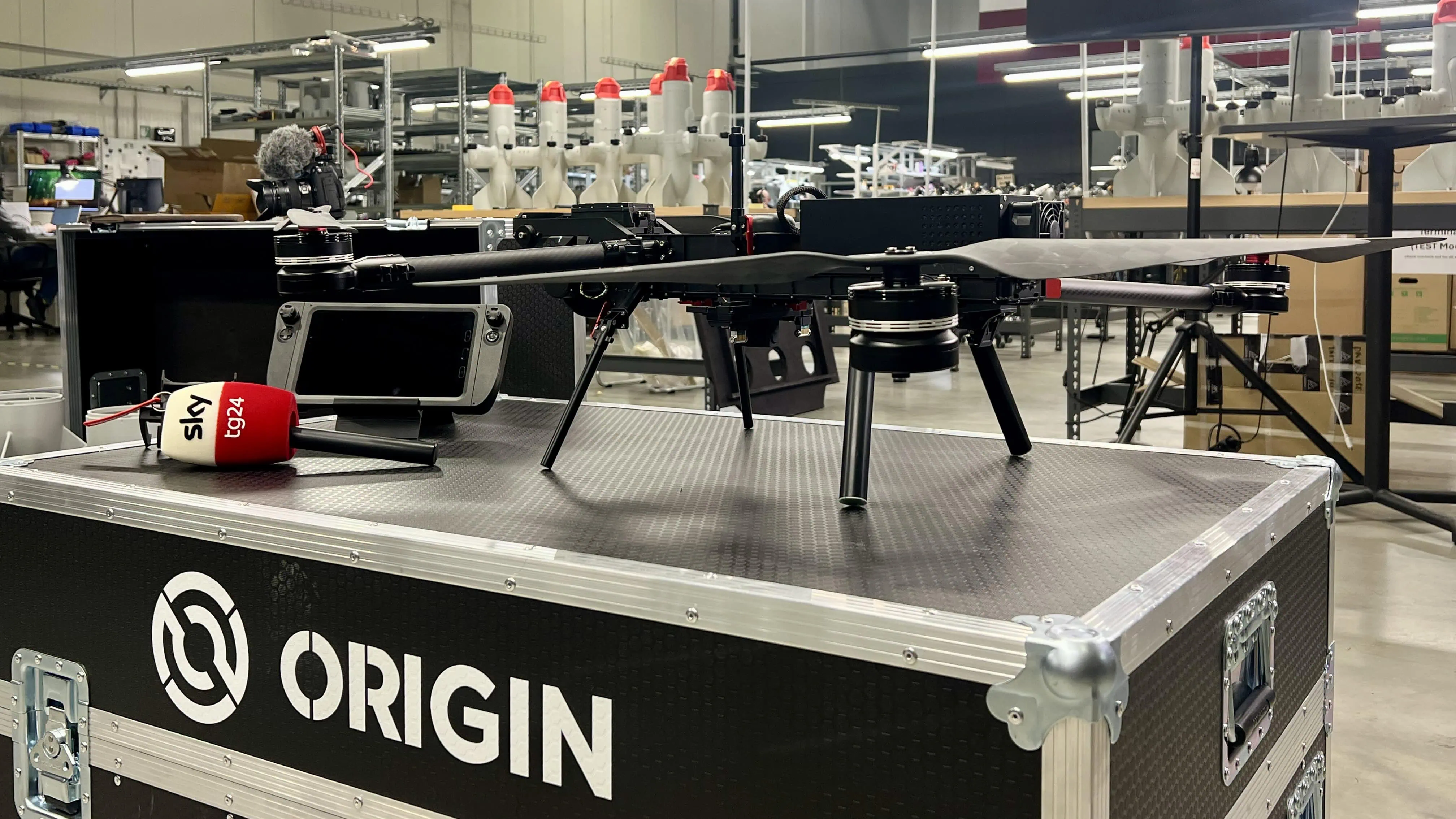
It does not require a pilot. Integrated with ground radar, once the target becomes visible—even as just a few pixels—the AI recognizes it, distinguishes a bird from a hostile drone, and moves toward the target. Origin already supplies BLAZE drones to the armed forces of four NATO countries: Latvia, Estonia, Belgium, and a fourth undisclosed country.
“My favorite startup? Probably Cellbox Labs,” Bikovs tells us. “What they do truly improves people’s lives.”
Cellbox Labs is a biotech startup. One of its founders, Roberts Rimša, describes it as an organ-on-chip device: a platform that recreates human physiological conditions in microfluidic channels with controlled flow, gas, and oxygen. Their flagship model replicates the human intestine, including the microbiome. The goal is to replace static cultures and reduce animal testing in preclinical pharmaceutical development, where today less than 10% of candidates reach clinical trials, with average costs of €2 billion and timelines of 15 years per drug. Millions of lab mice are used annually in Europe, and 120 million in the United States. Their goal is to gradually eliminate animal testing through organ-on-chip technologies.
Across the city, at the Latvian Institute of Organic Synthesis, there is PrintyMed.
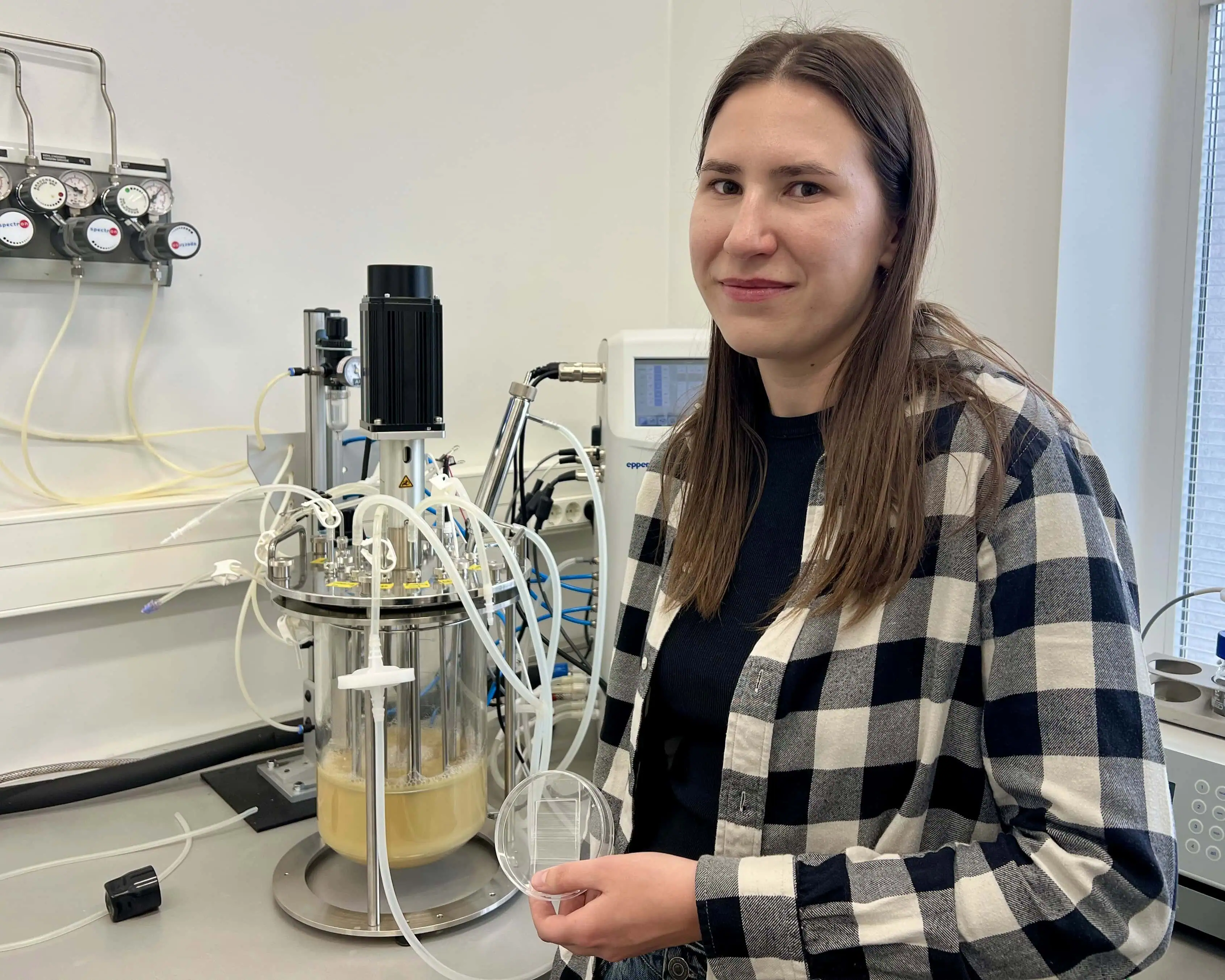
CEO Jekaterina Romanova leads a team producing synthetic spider silk from bacteria through capillaries that mimic spider glands, using it for 3D bioprinting. They already have a working prototype of a heart valve. From 200 microliters of protein solution, they can produce meters of fiber. They have raised €2 million so far. Production yields are still in the milligram-per-liter range, and mechanical validation is done in Sweden due to a lack of local expertise.Still, the ecosystem connection is real: PrintyMed supplies Cellbox Labs with spider silk membranes for organ-on-chip systems. This is the kind of convergence between synthetic biology and medical engineering you wouldn’t expect in a Baltic city.
THE MOST PROMISING IDEAS
We visited Riga Technical University, where a team of researchers is developing a diagnostic platform based on sweat. Founded in 1862, it is the oldest technical university in the Baltics and the academic engine of Latvia’s ecosystem. It doesn’t just train researchers—it turns them into entrepreneurs. Students enter labs as early as their second year, participate in hackathons with real companies, and are guided toward startup creation through programs funded by the Ministry of Economics. It is the bridge between research and market—the place where Latvian deep tech takes shape before becoming a product.
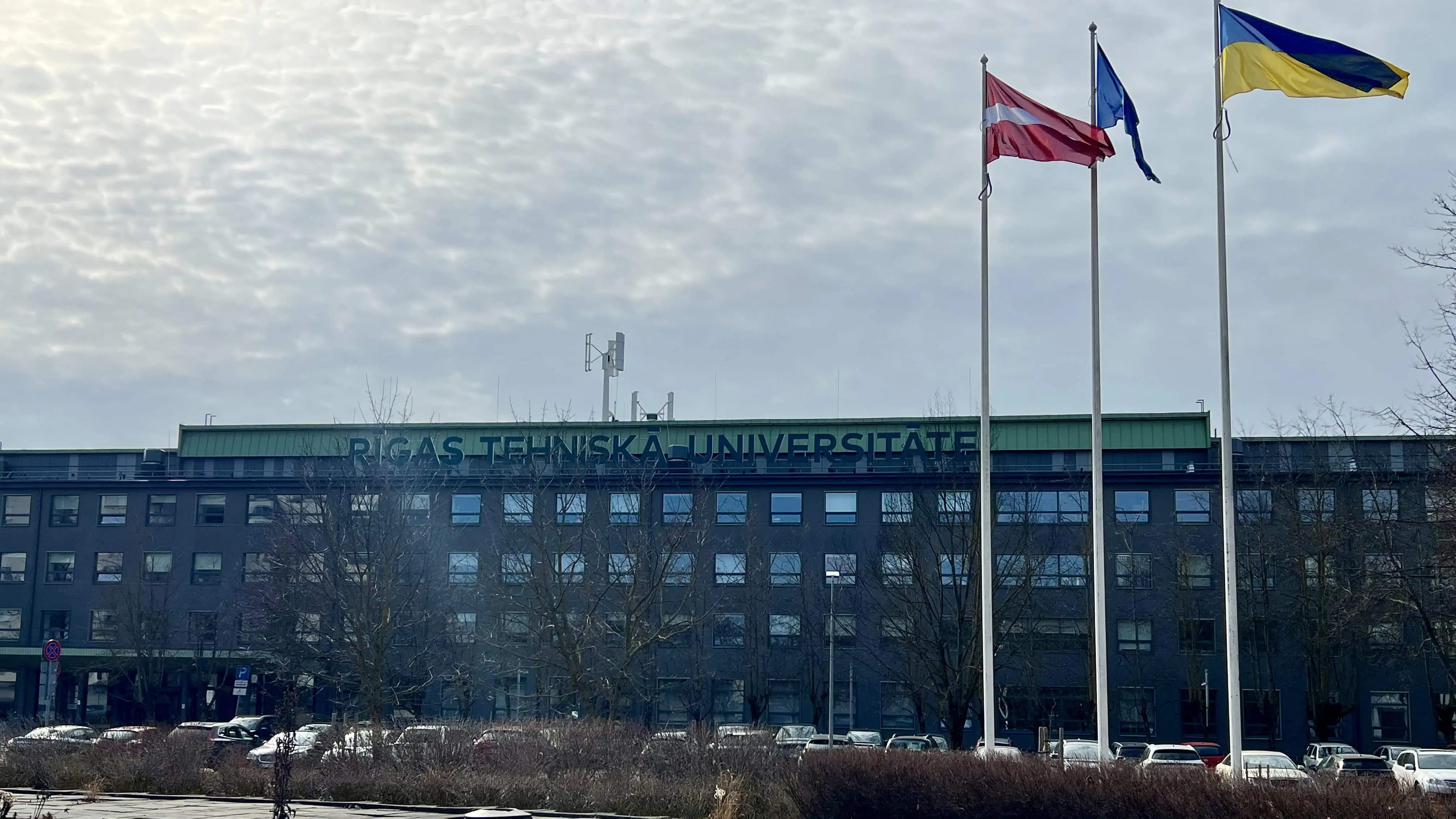 In the labs, the biotech team we met is developing a sweat-based diagnostic platform to avoid blood tests in newborns. A card placed on the skin for 30 seconds collects a sample; through mass spectrometry, the lab identifies up to 400 molecules. The team collaborates with Riga’s Children’s Hospital and partners in Germany, Austria, and Italy. The project is still academic, but the goal is to turn it into a startup. We gave our sample—we will be the first Italian in their database. There are also companies with decades of production and exports.
SAF Tehnika was founded in the 1990s by radio engineers trained during the Soviet era. Back then, people built homemade TV receivers to capture Western signals. The founder couldn’t get a phone line—there was a 15-year waiting list—so he built a radio bridge across the river. Today, the company has offices in Denver, Singapore, and Bogotá, clients in 130 countries, and 98% exports. Its core business is microwave radio systems for TV. Its growing line is Aranet: wireless IoT sensors with 10-year batteries that monitor air quality in schools and optimize greenhouses, providing data to AI startups. SAF Tehnika is headquartered in a former Soviet military facility, making a visit feel like a journey through the country’s history.
LATVIA’S BET
“They’ve called us a hidden gem of Europe. Maybe it’s true. But now we want people to know we exist.”
says Bikovs.
The ecosystem is growing: 569 startups in Latvia in 2025, €610 million in total revenue, 5,100 employees. Deep tech accounts for 26% of the total. Across the Baltics, startups raised €607 million in venture capital in 2025—a record—with AI attracting 46% of investment. But Latvia still faces challenges: slower growth than neighbors, population decline (1.82 million and falling), and youth emigration. Yet there are signs of reversal: more people are returning or moving here, attracted by lower living costs and safety. Walking through Riga during TechChill, the feeling is of an ecosystem that has found its direction. It doesn’t compete with Berlin on scale, but on depth: autonomous drones for NATO, organ-on-chip systems to reduce animal testing, synthetic spider silk for heart valves, sweat diagnostics for premature babies. Applied deep tech, with a direct link between universities, startups, and government—something that would take years to build in larger cities.
Here, it takes just one or two handshakes.
The question is whether that connection will hold and continue to grow.