Although no ancient pagan shrines survive in Riga, the city has places where Latvia’s ancestral beliefs and traditions still resonate. Discover a hill where midsummer has been celebrated for three centuries, a cabinet holding nearly 270,000 slips of Latvian folk songs, a historic village beside a lake and a forest where the nation gathers to sing. You can explore all these places independently, and most are accessible by public transport.

Where to find?
Ethnographic Open-Air Museum of Latvia
Step into a traditional Latvian farmstead without leaving Riga. Set in 87 hectares of pine forest beside Lake Jugla, the museum brings together 114 historic buildings from across Latvia, including threshing barns, granaries, windmills, churches and saunas. Discover how Latvians once lived, worked and celebrated, and experience traditional seasonal festivals with local folklore groups throughout the year.
Don’t miss: the traditional sauna displays, historic farmsteads shaded by oak trees and craft demonstrations.
Address: Brīvdabas iela 21 (main entrance; official address: Brīvības gatve 440).
Getting there: trolleybus 31 or bus 28 or 29 to the “Brīvdabas muzejs” stop.
Opening hours:
May-September: daily, 10:00-18:00
April and October: daily, 10:00-17:00
November-January: daily, 10:00-16:00
February-March: Tuesday-Sunday, 10:00-16:00; closed on Mondays
Closed on 31 December and 1 January. Last admission is 30 minutes before closing. Only some buildings are open to visitors in winter.
Dzegužkalns
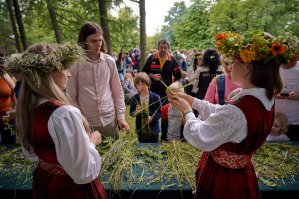
Riga’s highest hill is also the city’s oldest known midsummer celebration site, mentioned in historical records as a gathering place for Jāņi festivities as early as the 18th century. Outside the celebrations, Dzegužkalns is a peaceful park in Pārdaugava, with views across Riga and walking paths that offer a chance to explore the setting of this longstanding tradition.
Address: Dzegužu iela 11, Dzirciems, Pārdaugava.
Getting there: tram 5 or bus 3.
The Cabinet of Folk Songs at the National Library of Latvia
For several decades, Krišjānis Barons organised Latvian folk songs on small slips of paper, storing them in a specially made cabinet with 70 drawers. These dainas preserve much of what we know about Latvian deities, rituals and traditional views of the world. Inscribed on the UNESCO Memory of the World Register in 2001, the Cabinet of Folk Songs is now displayed behind glass on Level 5 of the National Library of Latvia.
Don’t miss: the views of Riga from Level 11 and the digital library guide, available in Latvian, English, German, Ukrainian and Lithuanian. You can also explore the folk song collection online at dainuskapis.lv.
Address: Mūkusalas iela 3, a 10-minute walk from Riga’s Old Town across Akmens Bridge.
Getting there: tram 1, 2 or 5, or bus 22 to the “Nacionālā bibliotēka” stop.
Opening hours:
Monday-Friday: 10:00-20:00
Saturday: 11:00-18:00
Sunday: closed
The library may be closed on public holidays and during major events.
Krišjānis Barons Museum
The final home of Krišjānis Barons, affectionately known as the Father of Latvian Folk Songs, tells the story of the man who helped preserve a nation’s collective memory. Discover how folk songs travelled from rural farmsteads to the Cabinet of Folk Songs. The museum also offers guided tours and educational activities exploring Latvian dainas. Exhibition information is available in English and Russian.
Address: Krišjāņa Barona iela 3-5, a 10-minute walk from Riga’s Old Town.
Opening hours:
Wednesday: 13:00-19:00
Thursday-Sunday: 11:00-18:00
Monday-Tuesday: closed
Great Cemetery
Krišjānis Barons is buried in the Great Cemetery, one of Riga’s oldest cemetery parks. A walk here offers an opportunity to reflect on Latvian traditions of honouring ancestors, the autumn season of ancestral remembrance and the cemetery customs that remain an important part of Latvian culture today.
Location: between Brīvības, Mēness, Miera and Klijānu streets; Senču iela runs through the grounds.
Mežaparks and the Song Festival Stage
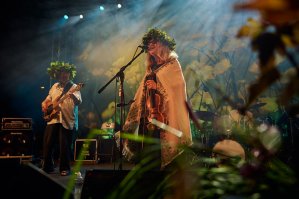
The pine forest in northern Riga is an inviting place for a walk while discovering the significance of trees in Latvian folklore. During the Latvian Song and Dance Celebration, tens of thousands of voices fill the Mežaparks Grand Bandstand. Rooted in folk singing, the Baltic song and dance celebration tradition is inscribed on UNESCO’s Representative List of the Intangible Cultural Heritage of Humanity.
Address: Mežaparks Grand Bandstand, Ostas prospekts 11.
Getting there: tram 11.
Īrga Traditional Culture and Crafts Centre
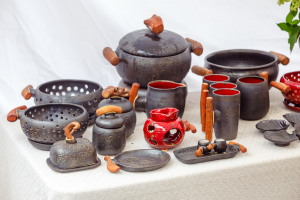
Formerly known as the Ritums Culture and Folk Art Centre, this venue in Riga’s Old Town is home to local folklore groups and traditional craft studios. Discover Latvian decorative patterns, needlework and craftsmanship, or join events celebrating traditional culture.
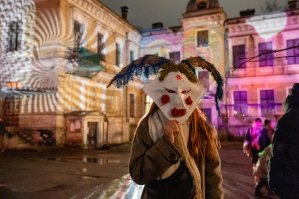
The name Īrga means “beginning” in Livonian, recalling the Livonian people who were among Riga’s earliest inhabitants. The centre also houses “The Mask Cabinet”, an exhibition of traditional Latvian masks.
Address: Jauniela 29A, Riga’s Old Town.
Opening hours: daily, 10:00-18:00.
National History Museum of Latvia
The museum returned to its historic home in Riga Castle in 2024. Opened in 2026, its new Latvian history exhibition, “Streaming Through Time” (Straumējot laiku), explores the lives of the people who have inhabited these lands from the earliest times. Visitors can also discover the “Livonian Castles” exhibition in the castle’s vaulted cellars.
Address: Riga Castle, Pils laukums 3, Riga’s Old Town; entrance from Daugavas gāte.
Opening hours:
Tuesday-Thursday: 10:00-18:00
Friday: 10:00-20:00
Saturday-Sunday: 10:00-17:00
Monday: closed