For centuries, traditional Latvian cuisine has followed the rhythms of nature and the changing seasons. Meals were prepared using ingredients from the fields, forests and family farms, while each seasonal celebration had its own special dishes rich in symbolic meaning. Bread was regarded as sacred, honey was treasured as a source of sweetness and nourishment, and the round Jāņi cheese, a traditional Latvian Midsummer speciality, symbolised the sun and its life-giving energy. In Latvian culture, food has always been about more than satisfying hunger – it was also a way to honour ancestors, celebrate the cycles of nature and welcome prosperity in the year ahead.

Traditional Latvian Food – Seasonal Flavours, Culinary Heritage and Festive Traditions
Traditional Latvian Food and Seasonal Celebrations
Winter Solstice – A Feast of Abundance and Good Fortune
During the winter solstice, the festive table was expected to overflow with food. According to Latvian folk beliefs, the more dishes served, the more prosperous the coming year would be. Traditionally, families prepared nine or twelve different dishes, including grey peas with bacon, traditional Latvian bacon buns (pīrāgi), pork and other hearty foods.
Grey peas held special significance. They were traditionally eaten to prevent tears and sorrow in the coming year, while a pig's snout symbolised good luck and prosperity.
Meteņi – A Hearty Feast Before Spring
Meteņi, the traditional Latvian celebration marking the approaching end of winter, was a time to prepare for the new agricultural season.
The festive table featured filling dishes such as Meteņi porridge, pancakes, pork and pig's feet. Eating well was believed to bring prosperity and provide strength for the demanding work of spring.
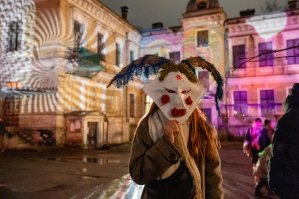
The celebration was also known for its lively customs, including sledding, masquerading and playful rituals intended to awaken nature after the long winter.
Lielā diena – Easter Eggs and the Return of Spring
In Latvian spring equinox and Easter traditions, eggs symbolise the sun, fertility and new life. Traditionally, they were dyed using natural ingredients, especially onion skins, which give the shells beautiful shades of brown, amber and gold.
Decorated eggs were exchanged as gifts, rolled in games and used in friendly egg-tapping competitions. According to folk beliefs, the strongest egg promised good luck and health.
Jāņi – Cheese, Beer and the Power of the Sun
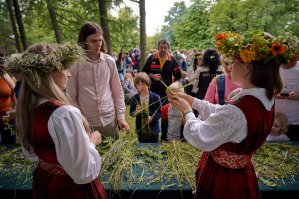
No Latvian Midsummer celebration is complete without traditional Jāņi cheese, beer and freshly baked pīrāgi.
Jāņi cheese is a round, yellow cheese flavoured with caraway seeds. Its shape and colour symbolise the sun, while caraway seeds have traditionally been associated with fertility and blessings.
One of Latvia's most recognisable traditional foods, Jāņi cheese remains an essential part of Midsummer celebrations. Together with folk songs, bonfires and beer, it helps create the distinctive atmosphere of Latvia's most beloved summer festival.
Miķeļi – Celebrating the Autumn Harvest
Miķeļi, or Michaelmas, traditionally marked the end of the harvest season and a time to enjoy the fruits of summer and autumn labour.
Tables were filled with freshly baked bread, honey, apples, root vegetables and other seasonal produce. The celebration expressed gratitude for the land's fertility and the successful harvest, as families prepared their food supplies for the winter months.
Today, this tradition lives on through Latvian autumn harvest markets, where local farmers, food producers and craftspeople offer their products.
Mārtiņi – A Festive Feast to Welcome Winter
Mārtiņi, or Martinmas, marked the end of the autumn farming season and the beginning of winter in traditional Latvian culture.
Roast rooster or goose was often the centrepiece of the festive meal, accompanied by pīrāgi and other hearty dishes. In ancient folk traditions, the ritual sacrifice of a rooster was believed to protect the household and livestock and ensure good health through winter.
Mārtiņi was also a time for masquerading, singing, dancing and visiting neighbouring households in costume.
Veļu laiks – Honouring Ancestors Through Food
As autumn gives way to winter, Latvian traditions enter Veļu laiks, or the Time of Spirits, a period dedicated to remembering and honouring deceased ancestors.
According to ancient beliefs, the spirits of the dead returned to visit their former homes during this time. Families prepared special meals and left food in the house, barn or other farm buildings, symbolically inviting their ancestors to share in the feast.
This tradition reflects the deep connection between the living and past generations in ancient Latvian beliefs.
Latvian Rye Bread – The Heart of Latvian Cuisine
If Latvia had to choose one food to represent its culinary identity, it would undoubtedly be traditional rye bread, known as rupjmaize. Dark, aromatic and rich in flavour, with a thick crust and a distinctive tangy taste, rye bread has been a staple of the Latvian diet for centuries.
In Latvian culture, bread has never been just food. It symbolised prosperity, the fertility of the land and the hard work of the farming family. Bread was treated with great respect, and wasting it was considered unacceptable.
According to tradition, if a piece of bread accidentally fell to the ground, it was picked up and kissed as a sign of respect. Before slicing a loaf, people would sometimes mark it with a cross, while the first slice was traditionally offered to the head of the household.
Today, Latvian rye bread remains an essential part of the country's gastronomic heritage. It is enjoyed with butter, honey, smoked meat or cheese, used to make the traditional layered rye bread dessert rupjmaizes kārtojums, and increasingly featured in contemporary restaurant menus through creative and unexpected interpretations.
Want to discover the secrets of traditional Latvian rye bread? Riga also offers hands-on bread-making workshops where visitors can learn about traditional baking methods and make their own rye bread.
Where to Try Traditional Latvian Food in Riga
Riga Central Market – A Taste of Latvia in One Place
One of the best places to discover authentic Latvian food, local ingredients and seasonal specialities is Riga Central Market.
Browse stalls offering traditional Latvian rye bread, honey, smoked meats, locally produced cheeses, herbal teas and an ever-changing selection of fresh berries, forest mushrooms and vegetables.
The market is particularly worth visiting before major Latvian seasonal celebrations, when traditional festive foods and regional specialities become part of the selection.
Where: Riga Central Market, Nēģu Street 7.
Miķeļdiena Harvest Market – Autumn Flavours in Riga Old Town
Every autumn, around the end of September, Dome Square in Riga Old Town traditionally transforms into a colourful harvest market celebrating Miķeļdiena, or Michaelmas.
Local farmers, artisan food producers and craftspeople gather to offer freshly baked bread, honey, traditional cheeses, smoked meats and a wide variety of seasonal Latvian delicacies.
It's a wonderful opportunity to taste the flavours of the Latvian autumn harvest while experiencing the festive atmosphere of a traditional seasonal market.
Where: Dome Square, Riga Old Town.
When: Late September, around Miķeļdiena.
Folkklubs ALA Pagrabs – Traditional Latvian Food and Live Folk Music
For a taste of traditional Latvian cuisine accompanied by live music and an authentic Old Town tavern atmosphere, head to Folkklubs ALA Pagrabs.
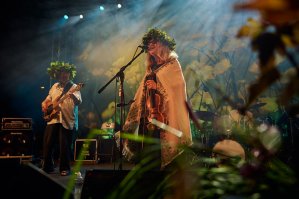
The menu features Latvian classics, including traditional grey peas, alongside an extensive selection of local beers. In the evenings, the historic cellar often comes alive with folk music performances and traditional Latvian dancing.
Where: Folkklubs ALA Pagrabs, Peldu Street 19, Riga Old Town.
Modern Latvian Cuisine – Traditional Flavours Reimagined
Latvia's culinary heritage is constantly evolving, and Riga's restaurants are finding new ways to celebrate local ingredients and traditional recipes.
Contemporary Latvian chefs increasingly draw inspiration from seasonal produce, using ingredients such as rye bread, root vegetables, wild mushrooms, forest berries, freshwater fish and locally sourced meats.
Traditional cooking techniques and familiar flavours are transformed into creative dishes that combine Latvia's culinary past with modern gastronomy.
Discover where to enjoy contemporary Latvian cuisine in Riga in the LiveRiga guide.