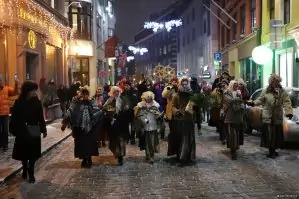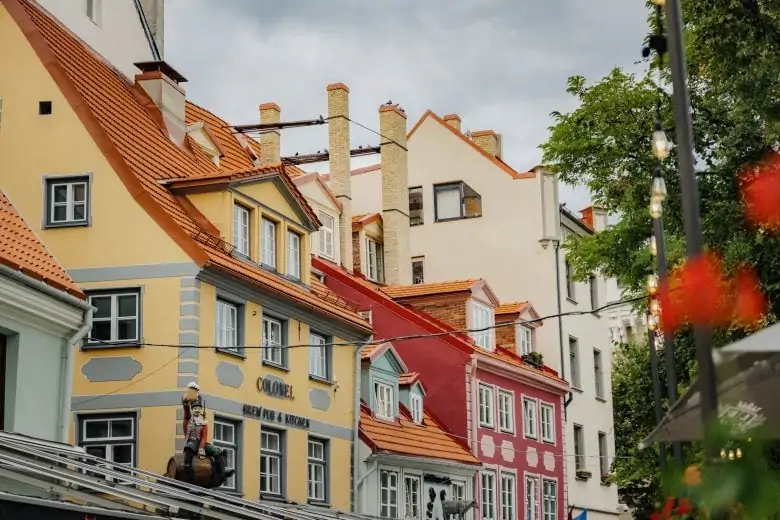
The Old Town of Riga is the oldest part of our capital city. It is the historic centre of the city, as well as a favourite place for recreation and entertainment for tourists. The Old Town has a unique architecture and most of the buildings have the status of cultural monuments. Various styles are represented in the architecture - Romanesque, Gothic and Baroque as well as examples of classicism and modernism. After the restoration of Latvia's independence, many buildings in the Old Town were reconstructed or rebuilt, thus restoring the historic heritage.
Two of the most impressive buildings in Old Riga are the Dome Cathedral and St. Peter's Church, where a magnificent panorama of the city of Riga opens up from the observation deck of the 72-meter-high tower. The streets and squares of Old Riga have countless restaurants, cafes and bars for all tastes.
Historic centre of Riga
The Historic Centre of Riga is the heart of the capital and one of the most atmospheric places to explore in Latvia. Recognised as a UNESCO World Heritage Site since 1997, this area includes the medieval Old Town and the grand 19th–early 20th century boulevards that surround it. The district is bordered by the Daugava River on one side and a ring of parks and canals on the other, making it easy to understand where the Old Town begins and ends. Just beyond this leafy boulevard circle lies Riga’s famous Art Nouveau district, adding another layer of cultural richness to the historic landscape.
Together, these areas bring to life centuries of history: from narrow cobblestone streets and merchant houses to elegant facades, spacious parks, and bustling squares. Whether you come for architecture, cafés, museums, views, or simply to wander, this is where Riga reveals its character most vividly.
Why visit
The Old Town of Riga is a place that encourages slow exploration. Beyond its historic landmarks, the atmosphere of the district is shaped by lively squares, small artisan shops, intimate cafés, and streets full of character. In the daytime, it’s perfect for wandering, sightseeing, and enjoying outdoor terraces. By evening, the Old Town shifts into a social hub - wine bars, cocktail lounges, and late-night restaurants keep the area buzzing long after sunset. Whether you're looking for a relaxed coffee or an energetic night out, the Old Town offers experiences to suit every mood.
Historical highlight
The Old Town of Riga began taking shape in the early 13th century, growing around a bustling trade port that connected Riga to the Hanseatic League’s major merchant cities. Over the centuries, different cultural and political influences left their mark, creating a rare architectural blend that reflects both Western and Eastern European traditions. Although wartime damage and periods of occupation altered the cityscape, extensive restoration after Latvia regained independence carefully preserved and revived historic buildings. Today, the Old Town stands as a living record of Riga’s layered past, where medieval foundations sit alongside later styles and modern cultural life.
How to get there
Riga Old Town is centrally located and easy to reach on foot from most areas of the city. From Riga Central Station, it’s about a 5-minute walk. Several tram and bus lines stop around the bordering boulevard circle, making access simple from any part of Riga. Travelers arriving from the airport can use Bus 22 to reach the edge of Old Town or opt for a taxi or rideshare service.