Architecture
Architecture in Riga is the most vivid witness to the to the multifaceted face of the city. Eclectic and endlessly fascinating, the streets reveal how every era has left its mark - from Gothic, Renaissance, Baroque and Classicism landmarks to mannered Art Nouveau, modernism and wooden architecture, Riga has a lot to discover.
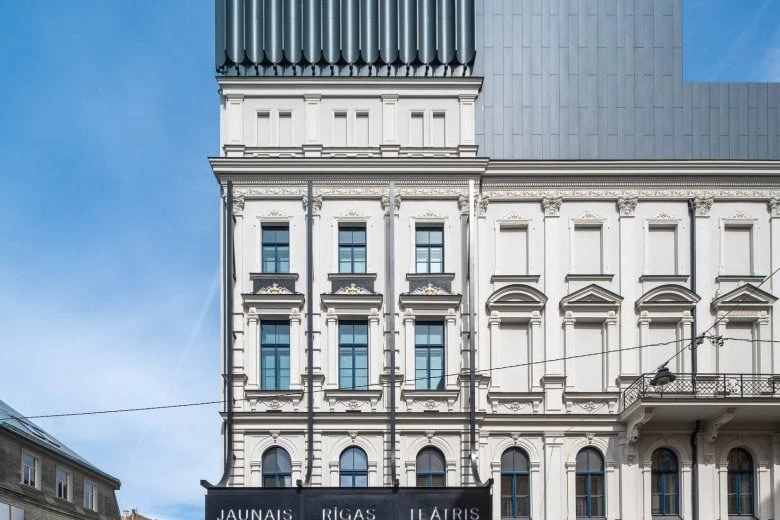
New Riga Theatre
Established in 1992, the New Riga Theatre quickly became one of Latvia’s most respected repertory stages, reshaping the national theatre scene with its focus on contemporary expression and bold, innovative productions. Among locals, it is also famous for the challenge of securing tickets - a reflection of the consistently high demand for its performances.
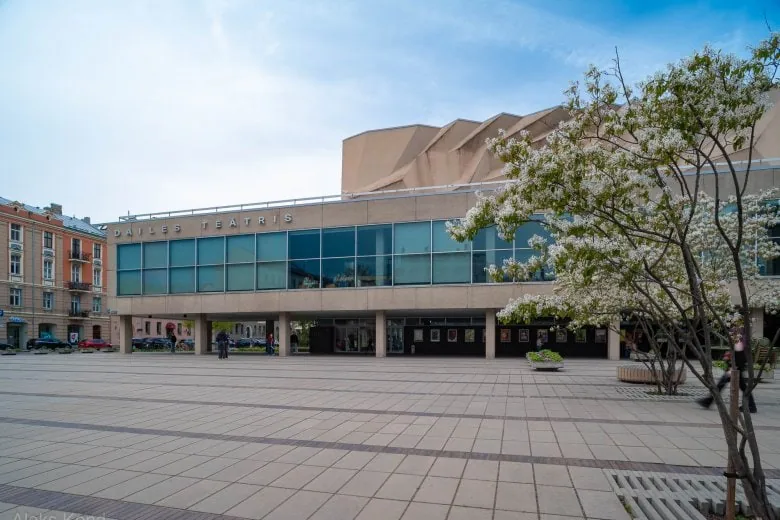
Dailes Theatre
Founded in 1920 by the visionary director Eduards Smiļģis, Dailes Theatre quickly became a driving force in Latvian cultural life. Today it holds the title of the largest professional repertory theatre in the Baltic States.
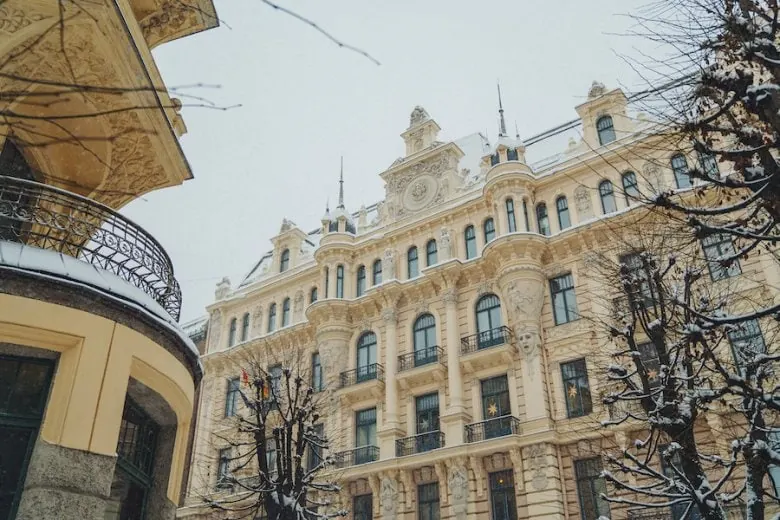
Alberta Street
Alberta Street is regarded as Riga’s Art Nouveau gem and the best place to experience art nouveau architecture in Riga, with splendid early-20th-century façades lining the street from end to end. Built in a remarkably short period between 1901 and 1908, each house stands as a distinctive architectural achievement of its time, richly decorated with sculptural details, ornate balconies and symbolic motifs. Today, eight of the buildings are recognised as architectural monuments of national significance, making the street a must-see stop for anyone interested in Riga’s celebrated Art Nouveau heritage.
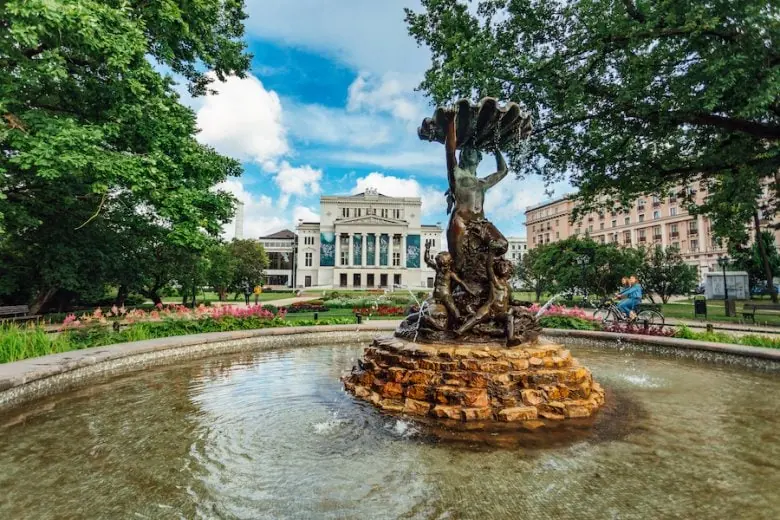
Latvian National Opera and Ballet
The White House of Riga - Latvian National Opera and Ballet - has been operating on Aspazijas Boulevard since 1923. During the season, which runs from September to the end of May, an average of six new performances are staged, maintaining a balance between the genres of opera and ballet. In addition, more than 200 performances in total, as well as several symphonic and chamber music concerts are shown in a single season, making it one of the most refined attractions for culture lovers in Riga.
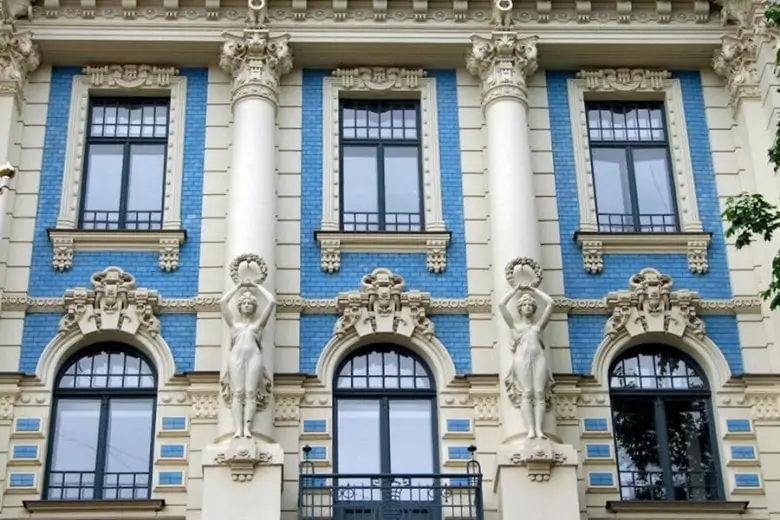
Ornamental abundance on Strēlnieku Street
One of the most extravagant examples of Art Nouveau architecture in Riga can be found at 4a Strēlnieku Street, in the elegant Quiet Centre district of the city. Designed by architect Mikhail Eisenstein, the building captivates visitors with its sculpted faces, flowing lines, mythological figures and richly patterned façade, making it a must-see for anyone exploring Riga’s world-famous Art Nouveau district.
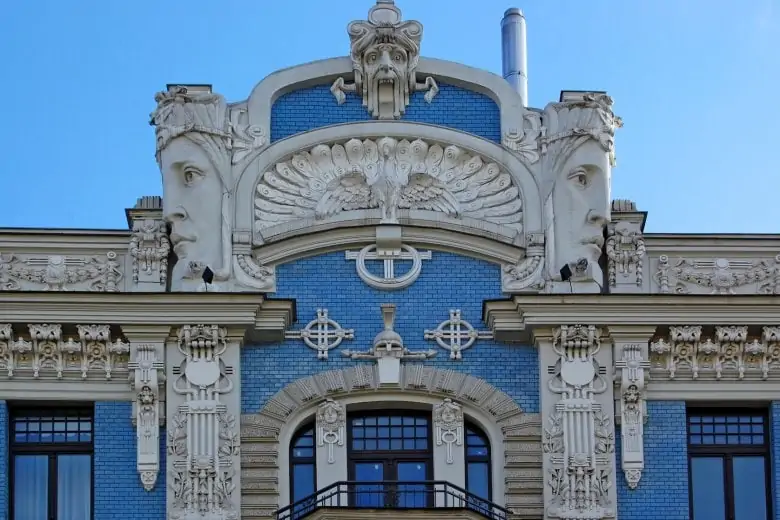
Art Nouveau at 10b Elizabetes Street
Art Nouveau plays a major role in Riga’s architectural heritage, and one of the most striking examples is the building at 10b Elizabetes Street, which can be considered one of Riga’s famous buildings. Located in the elegant “Quiet Centre” district just a 10-minute walk from the Old Town, it stands out with its ornate façade and sculptural details.
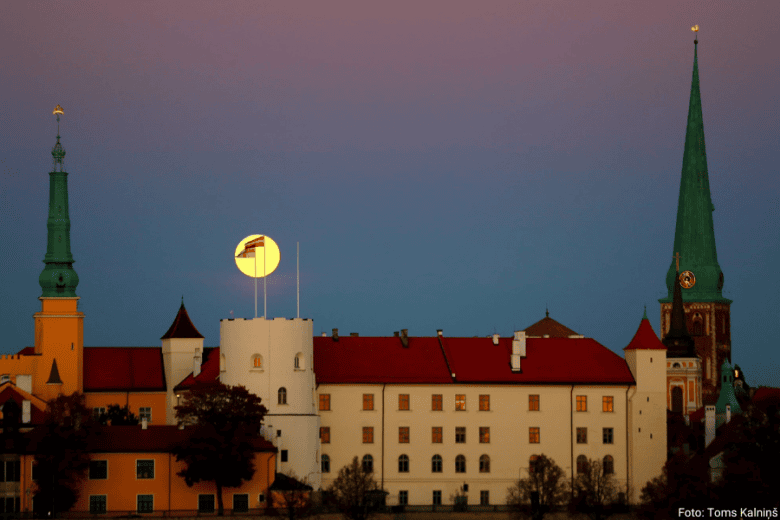
Riga Castle
Riga Castle has stood on the right bank of the River Daugava for more than 700 years. Through the centuries, it has seen severe destruction, numerous rulers, and wars. Today it houses the residence of the President of Latvia.
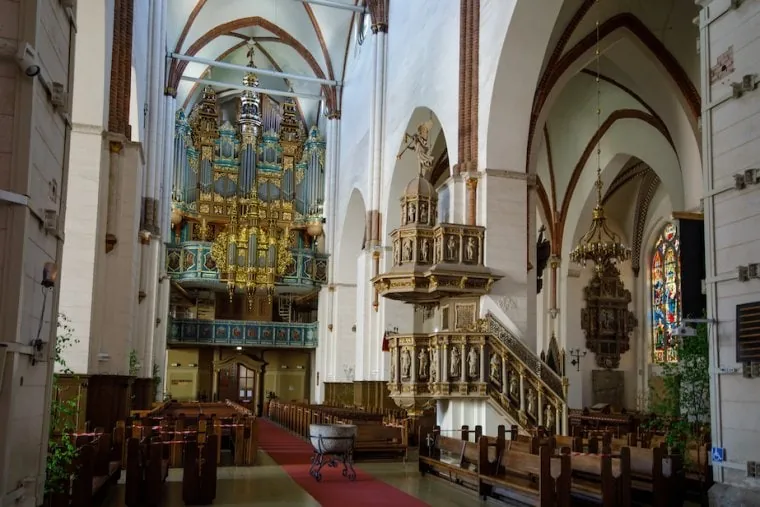
Riga Dome Cathedral
The Cathedral is the largest and one of the oldest sacred buildings of the medieval period in the Baltic region, combining Romanesque, early Gothic, Baroque and Art Nouveau features, which makes it a prominent stop on any Riga sightseeing itinerary. Today, alongside church services, the cathedral hosts concerts by local and internationally renowned musicians.
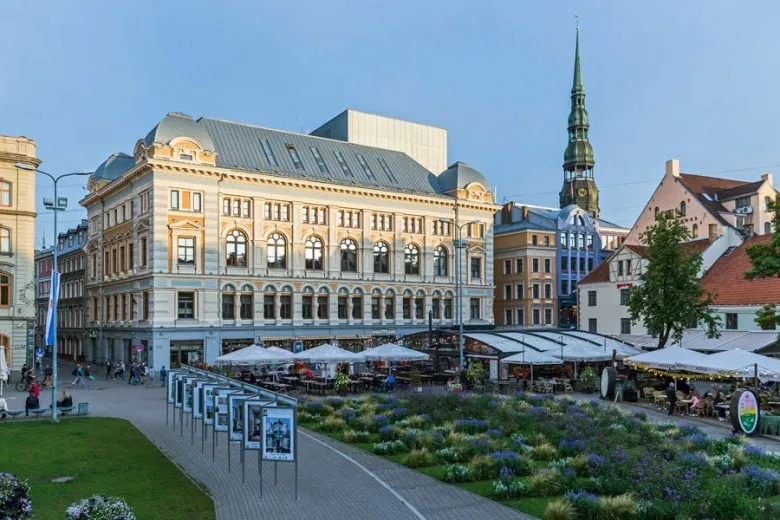
Mikhail Chekhov Riga Russian Theatre
Mikhail Chekhov Riga Russian Theatre is the oldest still functioning professional theatre in Latvia and the oldest Russian professional theatre outside Russia. It was founded in 1883. Located in the heart of Old Riga, it enjoys popularity with both locals and tourists, while also being considered one of the sightseeing gems and presented in various city guides. The Theatre was fully reconstructed in 2010, and today, it is one of the best-equipped theatrical venues in the Baltic region.
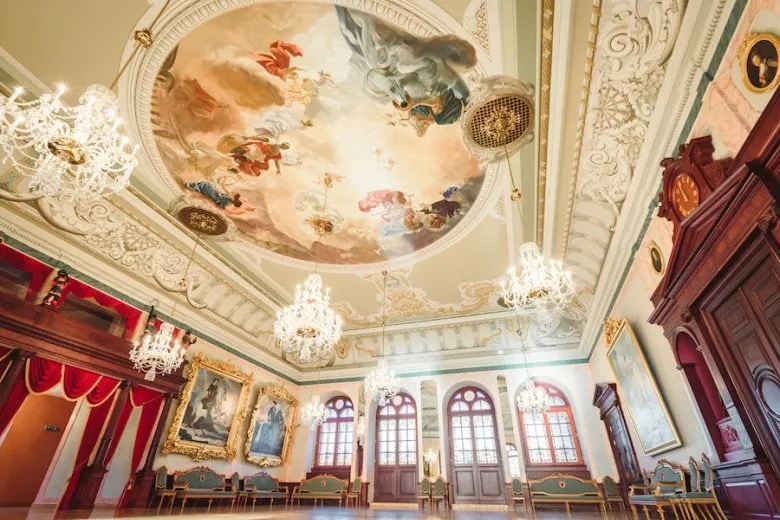
House of the Blackheads
The House of the Blackheads is among Riga’s top sights and a prime example of Riga Old Town’s architecture, standing proudly in the Town Hall Square facing the City Council building. Grand and richly decorated, it is considered one of the city’s most impressive buildings and a must-see for every visitor of the city.
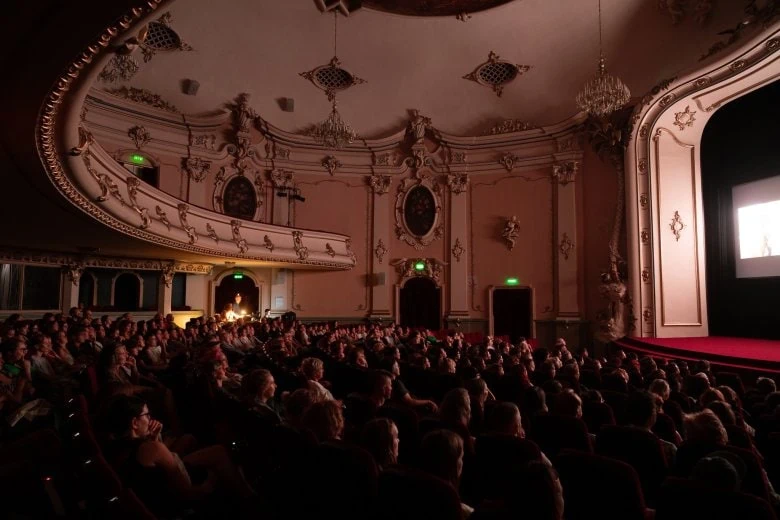
Splendid Palace
Splendid Palace is Riga’s most elegant historic cinema and a beloved meeting place for film lovers. Known for screening auteur and art-house films alongside festival favourites from across Europe and beyond, the cinema combines a refined atmosphere with a carefully curated programme that appeals to visitors seeking something different from mainstream releases.
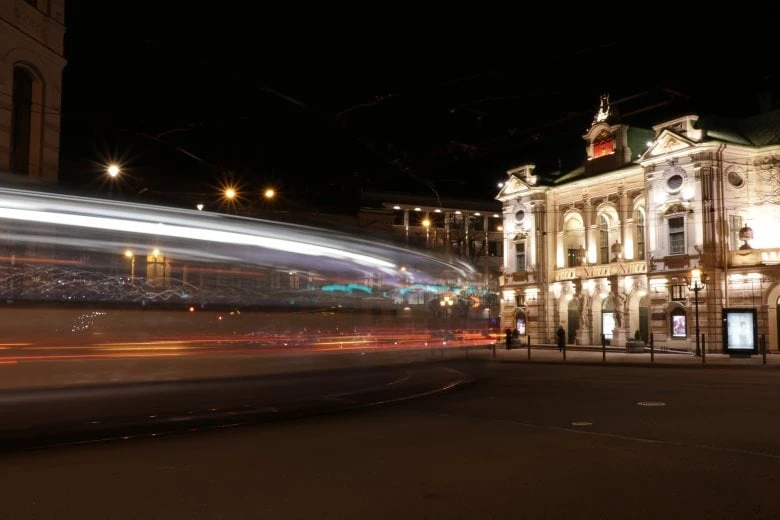
Latvian National Theatre
A distinguished landmark in Riga’s cultural life, the Latvian National Theatre combines grand architecture with a vibrant schedule of performances. Located on Kronvalda bulvāris 2 and built in 1902, the theatre has hosted both Latvia’s most important historical moments and its finest dramatic productions, making every visit more than just a night at the theatre - it's a step into Latvian heritage.
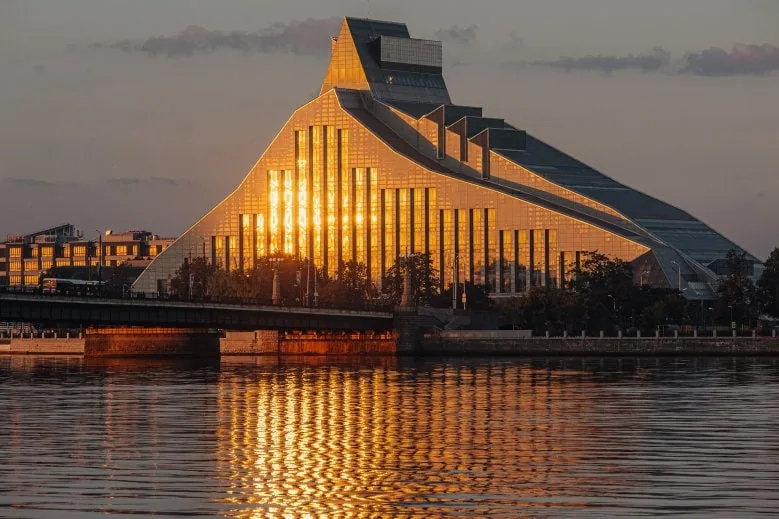
National Library of Latvia
Opposite the Old Town, on the left bank of the Daugava, rises the building of the National Library of Latvia, known as the Castle of Light. This is one of the most significant cultural buildings in the history of restored Latvia. The library's new building was opened in August 2014, designed by the world-renowned Latvian architect Gunārs Birkerts.
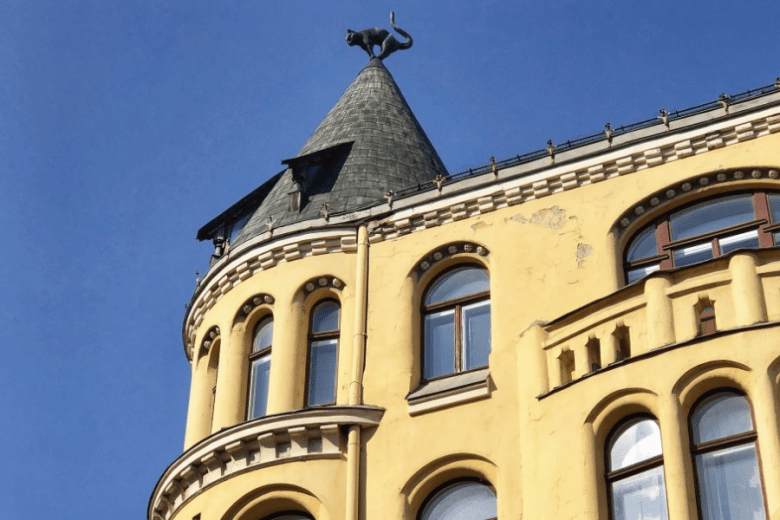
Cat House
Wrought-copper cats stand on the corner turrets of a building facing the Great Guild on Līvu Square, their backs arched and tails poised as if readying for the final leap. The famous and peculiar building, once scandalous and even been the cause of a lawsuit, was named the Cat House because of these figures. Today, the cats are not only squatting on the roof of the building, but they dwell on the ground floor too.
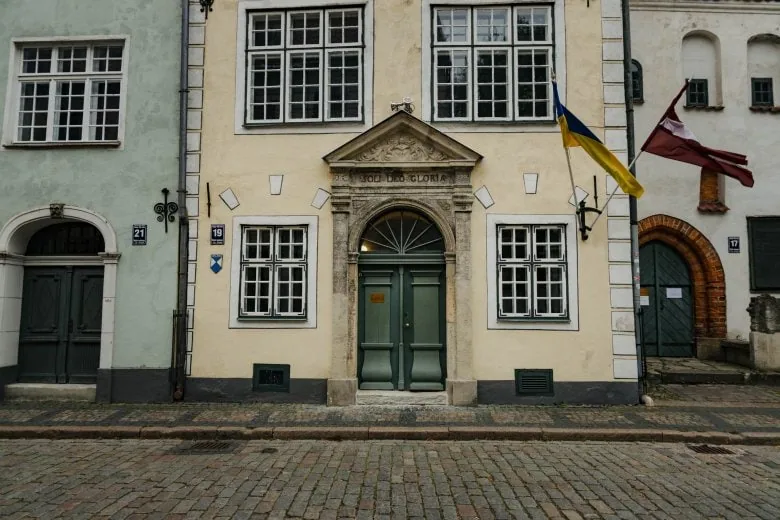
Three Brothers
The oldest residential complex in Riga has survived from the 15th century. The three houses, which had been cramped together, had long been called the Three Brothers - legend has it that men of the same family built them. The buildings, which are several centuries old, now house the Museum of Architecture and the National Center for the Protection of Cultural Monuments.
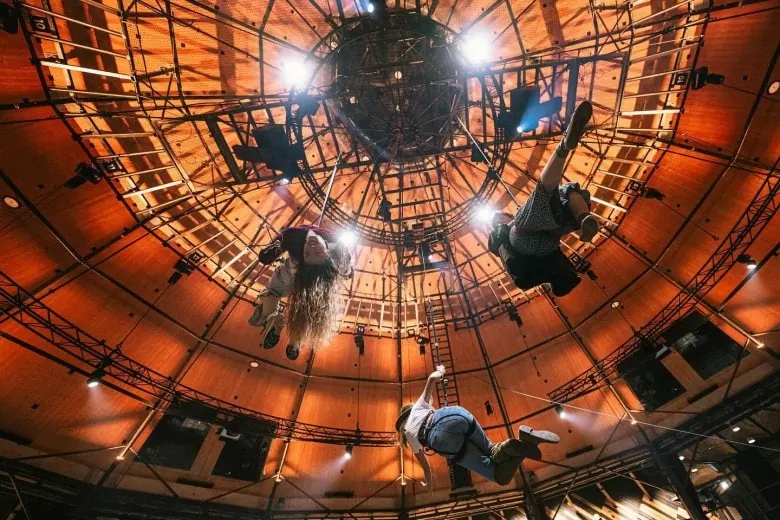
Riga Circus
Riga Circus, originally called Salamonska Cirks after its founder Albert Salamonsky, opened in 1888 and remains the only permanent circus building in the Baltic states. It was designed by Latvia’s first professional architect, Jānis Frīdrihs Baumanis, whose work can be seen across Riga in many other historic landmarks.
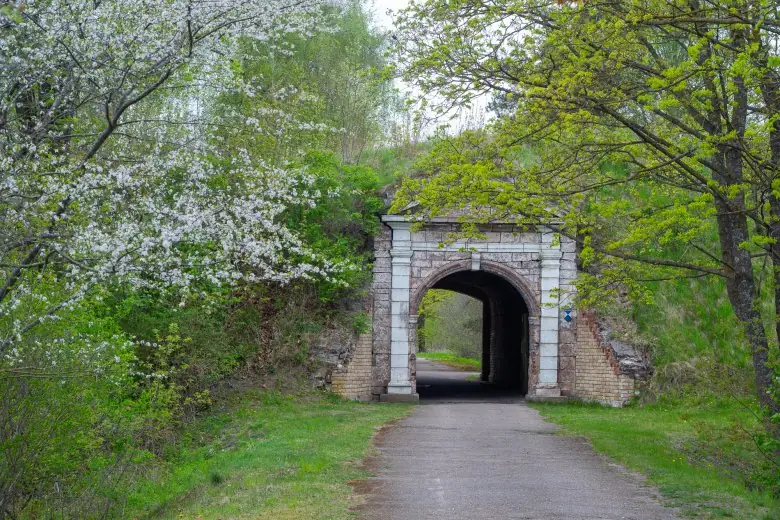
Daugavgrīva Fortress
Daugavgrīva Fortress, known historically as Dünamünde, stands at the point where the Buļļupe branch flows into the Daugava River. Built in the 17th century by the Swedes, it was designed in a star-shaped layout typical of military architecture of the time. Its location at the river’s mouth made it a crucial stronghold for defending Riga from seaborne threats.
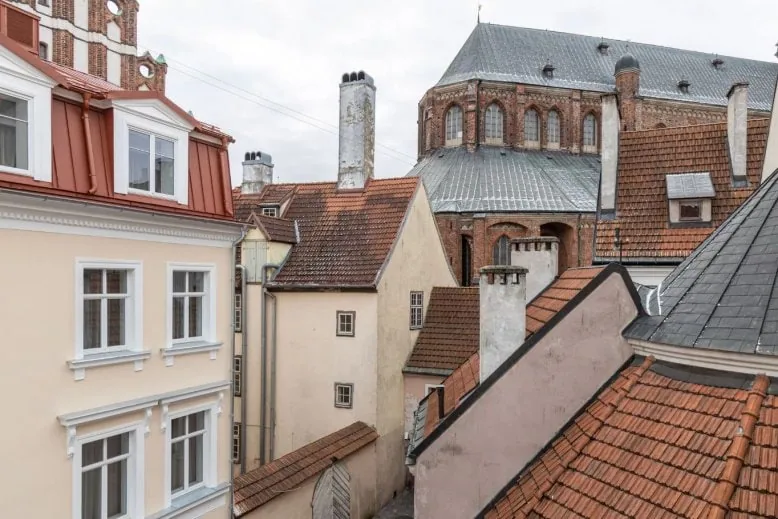
Convent Courtyard
The Convent Courtyard is located in the oldest part of Riga and reflects layers of the city’s medieval history. Originally, this site was home to the castle of the Order of the Brothers of the Sword, built in the 13th century and destroyed later that same century. The name “Convent Courtyard” comes from the Convent of the Holy Spirit, which settled here in the 14th century and shaped the area’s development.
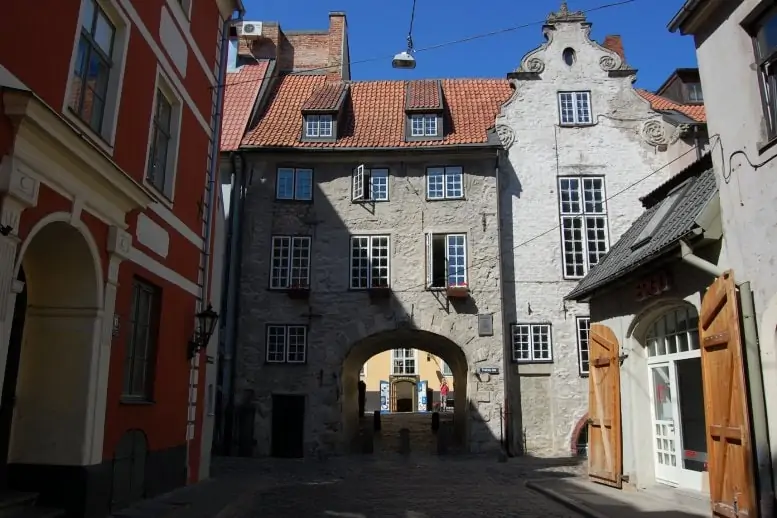
Swedish Gate
The so-called Swedish Gate is the only surviving entrance of the eight gates that once pierced Riga’s fortification walls. Built in the late 17th century, it allowed residents and soldiers to pass in and out of the defended city. Today the small arched passageway offers a charming glimpse into the defensive architecture of Riga’s past and is a favourite stop for photos while wandering the Old Town.
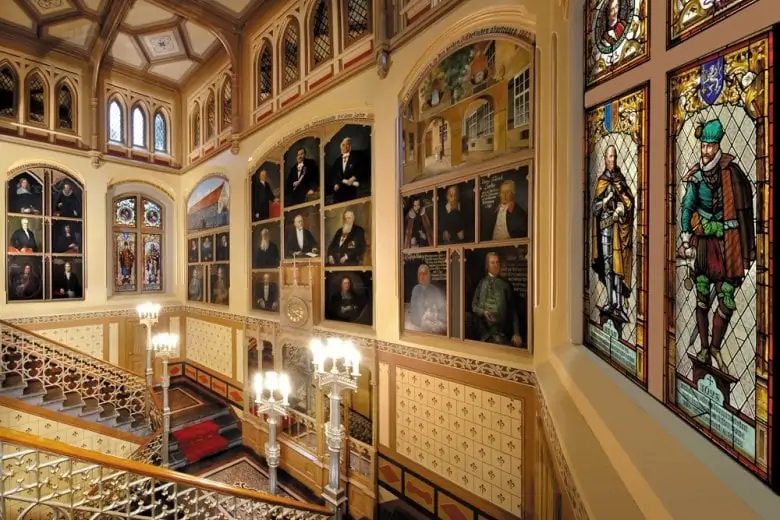
Small Guild
Standing in the middle of the Old Town, the Small Guild is a beautifully preserved historic building that continues to serve as a venue for concerts, conferences, presentations and festive gatherings. Once home to Riga’s craftsmen and artisans, it now welcomes visitors for cultural events in renovated halls that reflect the elegance of the centuries past.
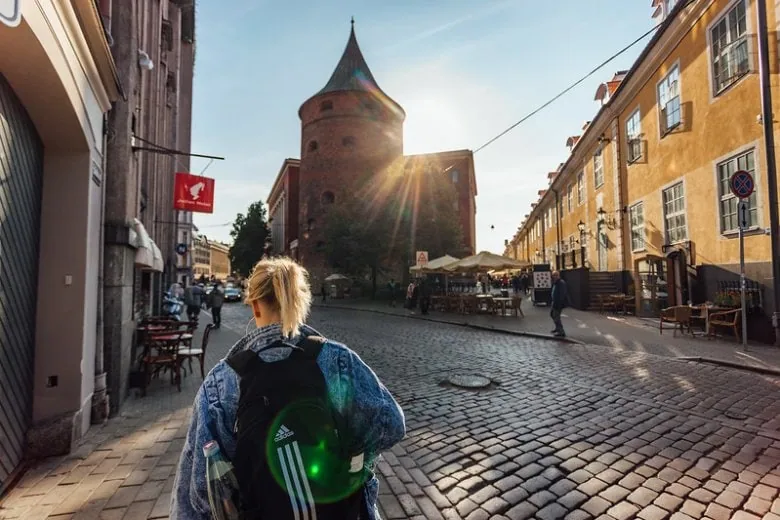
Jacob's Barracks
The collection of red-roofed buildings along Torņa Street on the edge of Old Town Riga is known as Jacob’s Barracks. Originally built to house soldiers, the long complex has since been transformed into a lively stretch filled with cafés, bars, beauty salons, small shops and other businesses. It’s a pleasant place for a stroll, blending historic military architecture with modern urban life just steps from the city’s medieval streets.
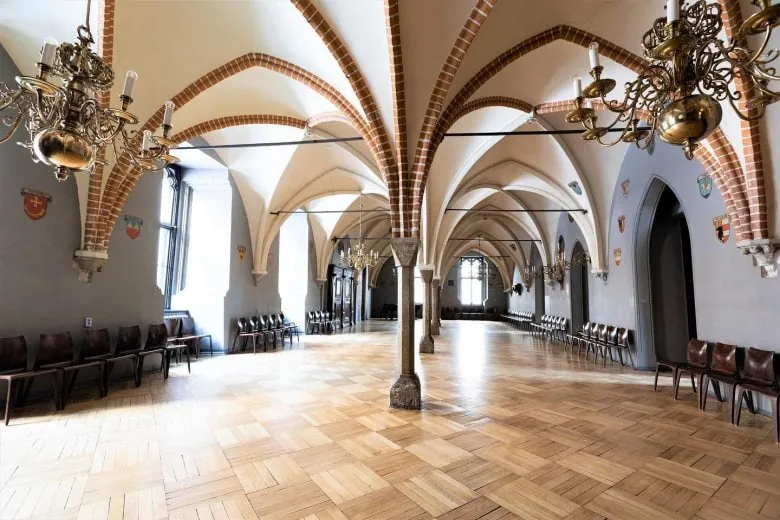
Great Guild
The origins of the Great Guild - one of the oldest public buildings in the Baltic region - reach back to the first half of the 14th century. For centuries it served as a gathering place for Riga’s merchants and influential citizens, shaping the city’s economic and social life. Today the historic halls continue to host concerts, exhibitions and public events, keeping the building an active part of Riga’s cultural landscape.
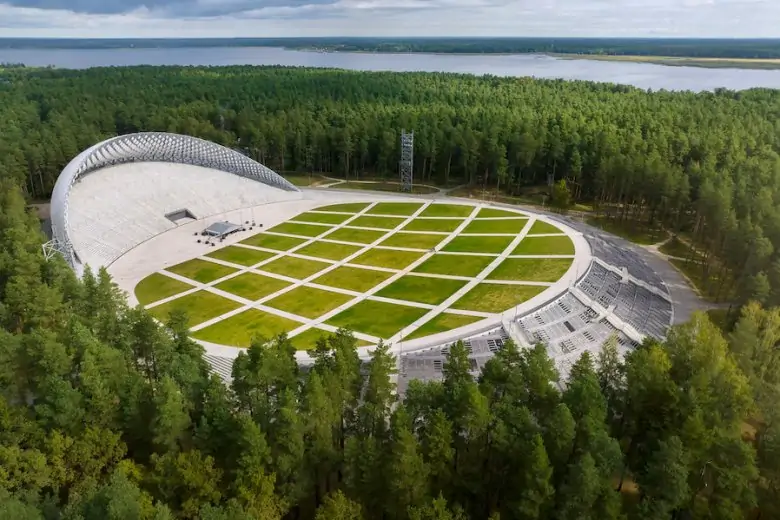
Mežaparks Great Bandstand
The Mežaparks Great Bandstand is one of Riga’s most important cultural landmarks and the symbolic heart of Latvia’s Song and Dance Festival tradition. The first bandstand here was built in 1955 to give a permanent home to this massive choral event, which brings together tens of thousands of singers. Its design, with a sweeping open-air structure set among the pine trees of Mežaparks, makes it a truly striking cultural monument.
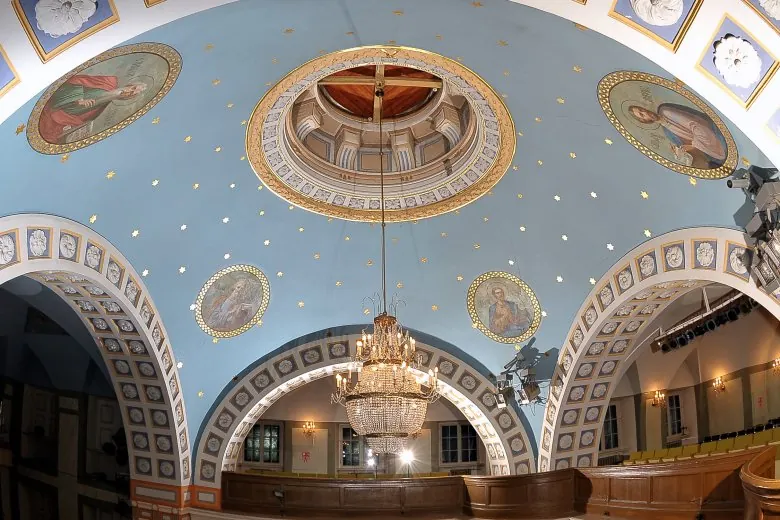
Ave Sol
Concert Hall Ave Sol is a unique cultural venue in Riga, known for its strong connection to Latvia’s choral music tradition. Located in a historic building near the city centre, it offers an intimate setting for concerts and events, where architecture and music come together to create a memorable experience.
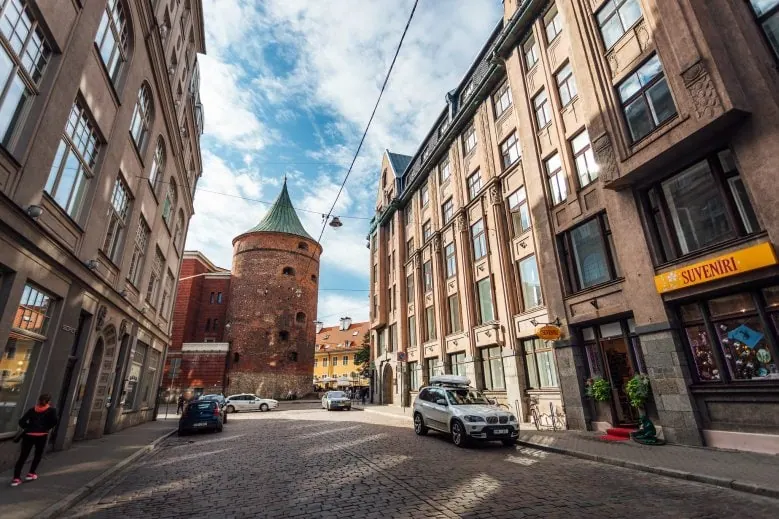
The Powder Tower
One of the most iconic symbols of medieval Riga, the Powder Tower stands as a reminder of the city's fortified past. First recorded in 1330 as the Sand Tower, it guarded the defensive wall system that once encircled the Old Town. Over the centuries, it was repeatedly rebuilt, adapted for military needs, and ultimately renamed the Powder Tower when gunpowder was stored here in the 17th century. Today, this round brick tower is both a historic monument and home to the Latvian War Museum.
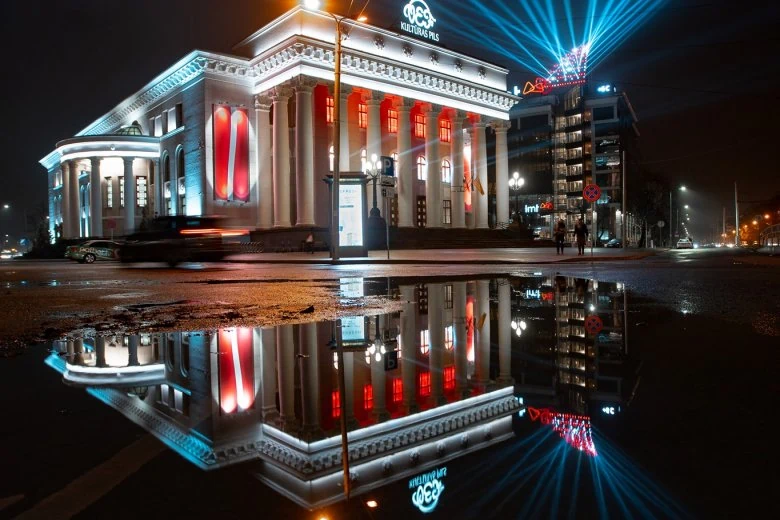
VEF Culture Palace
VEF Culture Palace is one of the most notable cultural venues outside the centre of Riga. Built in 1960, it has long hosted a wide range of events, from international meetings and congresses to art exhibitions, theatre productions and performances by well-known foreign artists and local companies. Cultural programmes continue to thrive here today, keeping the building an active part of the city’s creative life.
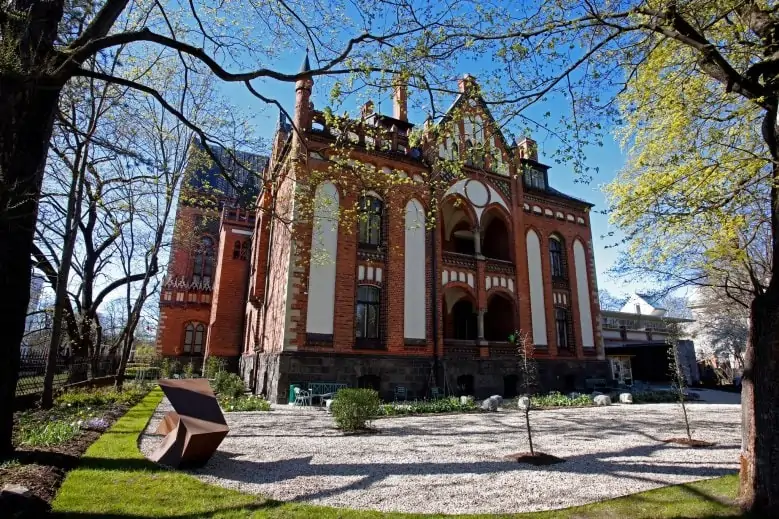
Art Academy of Latvia
The building of the Art Academy of Latvia is one of the most notable architectural and cultural monuments in the historic centre of Riga. Its striking presence immediately sets it apart: a grand red-brick structure that blends Neo-Gothic forms with decorative elements characteristic of early 20th-century Riga. The building’s grand façade and richly detailed exterior immediately signal its importance as a centre of creativity and artistic education.

Riga Latvian Society House
The Riga Latvian Society House is an imposing five-storey building, with a sixth level in its courtyard wing, and was the first example of Neoclassical architecture in Riga. Its elegant interior is marked by granite columns crowned with Ionic capitals, while the façade is defined by symmetrical projecting sections on either side of the entrance.
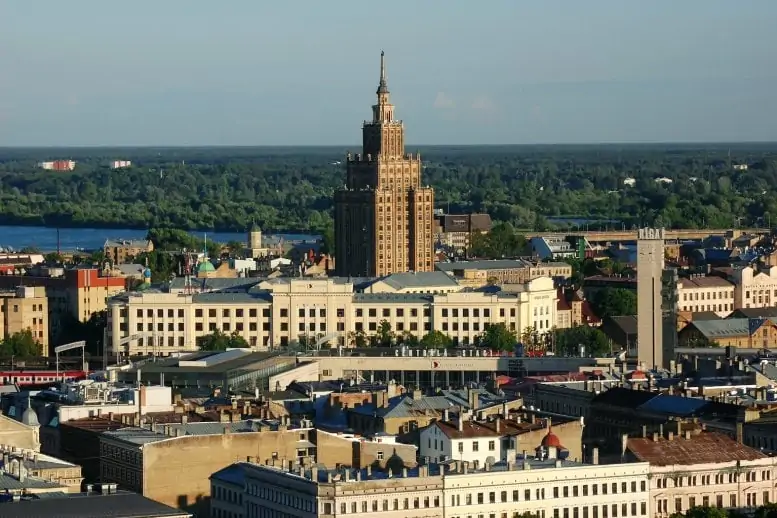
Latvian Academy of Sciences
The Latvian Academy of Sciences building is one of Riga’s most distinctive silhouettes. Completed in 1961, it rises to 108 meters and was the tallest structure in Latvia for many years. Built in the Socialist Classicism style and sometimes nicknamed “Stalin’s birthday cake,” it reflects the architectural trends of the era but also incorporates local folk motifs into its design. For Riga’s residents, it became a new marker on the city’s skyline - imposing, controversial, but undeniably symbolic of a period in the 20th-century history of Latvia.

Culture centre "Ziemeļblāzma"
Located in Vecmīlgrāvis, in the northern part of Riga, Culture Palace “Ziemeļblāzma” is a striking architectural monument surrounded by a spacious 5-hectare park. Just a short drive from the city centre, it offers a peaceful escape combined with culture, history and beautifully landscaped surroundings.
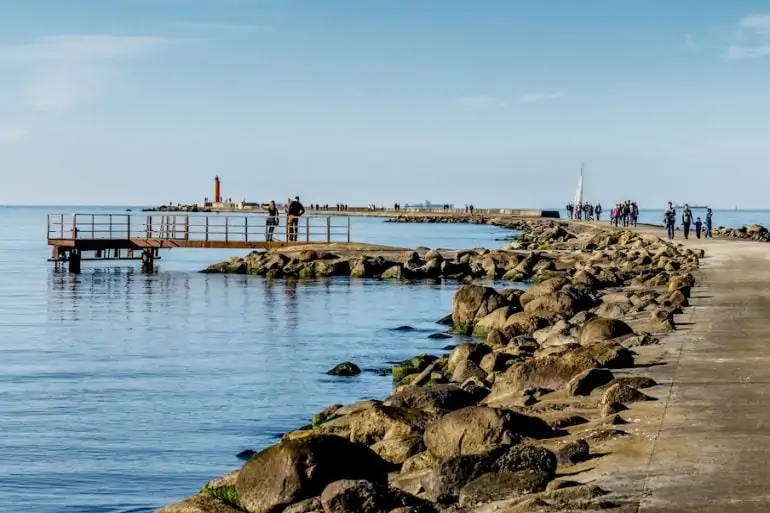
Mangaļsala jetty
The Eastern Jetty in Mangaļsala is one of Riga’s most atmospheric coastal landmarks - a long stone breakwater stretching deep into the Baltic Sea where the Daugava River meets open water. As the first point seen by ships entering Riga, the jetty has served both practical and symbolic roles for more than a century. Today, it is known for dramatic views, crashing waves, and a rugged seaside landscape that feels far from the city despite being surprisingly close.